Jenkins Academy of Applied Technology
Bloodborne-pathogens learner reference
Bloodborne Pathogens · Online knowledge course resource v1.0.0 · October 21, 2026
Federal general-industry, non-laboratory knowledge core for employees whose assigned duties involve occupational exposure. Employer exposure determination, the actual exposure control plan, task instruction, interactive trainer questions and workplace understanding remain separate. This is not first-aid certification, clinical training or authorization for cleanup or medical tasks.
Use with the actual exposure control plan, task instruction and knowledgeable-trainer Q&A. This reference does not include the final question bank.
Lesson 1 of 10
Who needs training and what it establishes
Objective: Recognize occupational exposure, training timing and the limits of this online result.
This course is for employees with occupational exposure: reasonably anticipated skin, eye, mucous-membrane or piercing contact with human blood or other potentially infectious materials (OPIM) arising from assigned duties. The employer determines exposure without considering the protection provided by PPE. Having gloves does not remove a job from the exposure determination.
Assigned first aid, blood cleanup, contaminated laundry/waste handling and some equipment-service tasks can involve exposure. Actual duties matter more than job title. The employer lists classifications where all employees are exposed, classifications where some are exposed, and the relevant tasks/procedures for that second group. Unanticipated voluntary aid is not automatically an assigned occupational duty; report and obtain help for any suspected exposure.
- Training is provided at initial assignment to tasks where exposure may occur.
- Annual training is provided within one year of the previous training.
- Additional training is provided when task/procedure changes affect exposure; it may address only the new exposures.
- Required training is at no employee cost, during working hours, and understandable in content, vocabulary and language.
The online result records this knowledge core only. The actual plan, controls, contacts and role-specific instruction must be supplied, questions answered by the knowledgeable trainer, and task understanding established. Do not accept an unfamiliar cleanup or response assignment because you passed a quiz.
Basis: 29 CFR 1910.1030(a), (b), (c)(2), (g)(2)(i)–(vi). Reviewed October 21, 2026.
Lesson 2 of 10
Bloodborne diseases and symptoms
Objective: Explain the basic disease context and why appearance cannot establish infection status.
Bloodborne pathogens are disease-causing microorganisms in human blood. Important examples are hepatitis B virus (HBV), hepatitis C virus (HCV) and human immunodeficiency virus (HIV). These infections occur in the community and can create an occupational hazard when infected blood or applicable materials contact an entry route. Exposure depends on the material, route and task, not a person’s appearance or assumed background.
| Example | Basic disease and symptom context |
|---|---|
| HBV | A liver infection that can be short term or chronic. Possible symptoms include fatigue, fever, poor appetite, nausea, abdominal discomfort and yellow skin/eyes. Chronic infection can cause serious liver disease. |
| HCV | Also affects the liver and can become chronic, with serious liver damage. Many people have no symptoms; fatigue, nausea or jaundice can occur. |
| HIV | Attacks the immune system. Some people have an early flu-like illness, while others have no symptoms. Untreated infection can progress to AIDS; medical treatment can control HIV. |
Many infected people do not look or feel ill. Symptoms also overlap with other conditions. Do not diagnose yourself or a coworker, wait for symptoms after an exposure, or ask a supervisor to judge infection status. Obtain prompt confidential healthcare assessment through the employer’s process.
Hepatitis B vaccination can prevent HBV infection. It does not replace exposure controls or protect against every bloodborne pathogen. There is no hepatitis C vaccine. This course provides prevention and reporting knowledge; healthcare professionals determine individual testing, treatment and follow-up.
Basis: 29 CFR 1910.1030(g)(2)(vii)(B); CDC HBV, HCV and HIV information. Reviewed October 21, 2026.
Lesson 3 of 10
Materials, transmission and universal precautions
Objective: Recognize blood/OPIM and the contact routes that require protective action.
Blood means human blood, its components and products. The federal OPIM definition includes specified human fluids (such as semen, vaginal secretions, cerebrospinal, synovial, pleural, pericardial, peritoneal and amniotic fluids), saliva in dental procedures, visibly blood-contaminated body fluids, and all body fluids when they cannot be distinguished. It also includes certain unfixed human tissues and specified HIV/HBV research materials. Identify the actual materials in your job.
Ordinary non-bloody saliva or mucus is not automatically OPIM under this federal definition. Broader hygiene or infection-control precautions can still apply. Do not use that distinction to touch an unknown fluid: where fluid types cannot be distinguished, handle them as potentially infectious and obtain the trained response.
How contact can occur at work
- A needlestick, contaminated broken glass, cut or other piercing injury.
- A splash to an eye, mouth or other mucous membrane.
- Contact with non-intact skin, such as a cut, abrasion or damaged skin.
- Contact during first aid, cleanup, waste/laundry handling or servicing contaminated equipment.
Universal precautions means treating human blood and applicable OPIM as infectious. Do not select precautions based on someone’s appearance, a rumor, or whether a diagnosis is known. HBV, HCV and HIV are not transmitted by ordinary casual contact such as shaking hands or sharing a room; the occupational issue is a relevant material and entry route.
Basis: 29 CFR 1910.1030(b), (d)(1), (g)(2)(vii)(C), (E). Reviewed October 21, 2026.
Lesson 4 of 10
The exposure control plan and your task
Objective: Find the plan and explain how it controls actual exposure work.
The employer’s written exposure control plan explains how exposure will be eliminated or minimized. It includes the exposure determination, implementation of controls/training/medical/record duties, and the process for evaluating exposure incidents. Employees must be able to access the plan. Know where the current copy is and how to obtain it, including when a network or primary contact is unavailable.
Read the current federal regulatory text, 29 CFR 1910.1030. In this core, sections (a)–(b) explain coverage/terms; (c) the plan; (d) exposure controls; (f) vaccination and follow-up; (g) labels/training; and (h) records. Section (e) covers specialized HIV/HBV research/production outside this core. The sponsor must verify an accessible copy and explain applicable requirements, including state additions.
For each actual task, learn who is assigned, what materials and contact routes are expected, which engineering/work controls and PPE are required, where supplies are kept, when to stop, and whom to contact. The plan must connect to practical arrangements: an identified sink, usable PPE, suitable containers and a real after-hours medical-referral route.
The plan is reviewed and updated at least annually and when relevant tasks, procedures or positions change. Review includes changing technology and annual consideration/implementation of appropriate effective safer medical devices. Where applicable, the employer documents input from non-managerial direct-patient-care employees exposed to contaminated-sharps injuries in selecting engineering/work controls.
Basis: 29 CFR 1910.1030(c)(1)–(2), (g)(2)(vii)(A), (D)–(E). Reviewed October 21, 2026.
Lesson 5 of 10
Engineering controls, work practices and sharps
Objective: Use controls that prevent contact and recognize unsafe sharps arrangements.
Engineering controls and work practices eliminate or minimize exposure. Add appropriate PPE where exposure remains. Examples include accessible sharps containers, safer devices, collection tools, task layout and methods that avoid splashes. Gloves cannot make an overfilled container or an unsafe hand pickup acceptable.
- Use the actual approved safer device/container and instructions for the task. Engineering controls are examined, maintained or replaced on a regular schedule.
- Dispose of contaminated sharps immediately or as soon as feasible in the appropriate accessible, upright, closable, puncture-resistant container that resists leakage on the sides/bottom and is labeled or color coded.
- Do not overfill, push contents down, reach into a sharps container, or put hands into reusable-sharps containers for retrieval.
- Do not pick up potentially contaminated broken glass with your hands. Use the assigned mechanical method, such as tongs or a brush and dustpan, with the actual controls and PPE.
Contaminated needles/sharps are not bent, recapped or removed except where the employer demonstrates the regulatory medical/dental or no-feasible-alternative exception and provides the required mechanical or one-handed method. Shearing/breaking contaminated needles is prohibited. This non-clinical core does not authorize such an exception or teach needle handling.
Minimize splashing, spraying and droplets. Do not eat, drink, smoke, apply cosmetics/lip balm or handle contact lenses in areas where exposure is reasonably likely. Keep food/drink away from blood/OPIM storage and work surfaces. Do not mouth-pipette. Stop and obtain correction when controls are unavailable or unsuitable.
Basis: 29 CFR 1910.1030(d)(1)–(2), (d)(4)(ii)(D)–(E), (d)(4)(iii). Reviewed October 21, 2026.
Lesson 6 of 10
PPE selection, use, removal and hygiene
Objective: Explain the required barriers and use the actual removal and handwashing method safely.
PPE is selected for the anticipated contact, amount of material, task, exposure route and duration. It must prevent blood/OPIM from reaching clothes, skin, eyes, mouth or other mucous membranes under normal conditions of use. Gloves alone do not protect the eyes or face from a splash. Examples include suitable gloves, protective clothing, face/eye protection and resuscitation barriers for assigned roles.
The employer supplies appropriate PPE at no employee cost, in suitable sizes, readily accessible, with required alternatives for sensitivity. The employer also provides cleaning, laundering, disposal, repair and replacement as needed. Ordinary clothing is not automatically protective PPE.
- Find and inspect the actual PPE before starting; check fit, damage and task suitability.
- Use the barriers as taught. Replace disposable gloves when contaminated, torn, punctured or unable to function; do not wash or decontaminate disposable gloves for reuse.
- Remove penetrated garments immediately or as soon as feasible. Remove PPE before leaving the work area and put it in the designated place/container.
- Use the actual taught removal sequence to avoid touching contaminated surfaces with bare skin or transferring contamination. The sponsor must demonstrate and check understanding using clean practice items.
Wash hands immediately or as soon as feasible after removing gloves or other PPE. Wash affected skin with soap and water and flush mucous membranes with water immediately or as soon as feasible after relevant blood/OPIM contact. Readily accessible handwashing is required. If providing facilities is not feasible, the permitted appropriate antiseptic cleanser plus clean towels, or antiseptic towelettes, is temporary; wash with soap and running water as soon as feasible.
Basis: 29 CFR 1910.1030(d)(2)(iii)–(vi), (d)(3), (g)(2)(vii)(F)–(H). Reviewed October 21, 2026.
Lesson 7 of 10
Cleanup, laundry, waste and warning labels
Objective: Stay within the assigned role and identify the site’s containment and decontamination arrangements.
Only undertake cleanup you are assigned, trained and equipped to perform. Control access, assess sharps/splash hazards and obtain the correct tools, PPE, containers and disinfectant. If any are missing or the material/task is uncertain, pause and obtain trained assistance.
The employer establishes a written cleaning schedule and decontamination method for the surfaces, soil and work involved. Decontaminate with an appropriate disinfectant after procedures, promptly after overt contamination/spills, and at shift end if contamination may have occurred since cleaning. Follow actual product instructions, including dilution, contact time, PPE and compatibility. Never improvise a chemical mixture. Contaminated equipment needs the appropriate decontamination or remaining-contamination identification and notice before service/shipment.
Handle contaminated laundry as little as possible; bag/containerize it where used without sorting or rinsing there. Use required labeling/color coding, PPE and leak-resistant containment when needed. The employer arranges cleaning; do not take contaminated PPE home.
Regulated waste includes liquid/semi-liquid blood or OPIM, contaminated items that release such material if compressed, items caked with dried blood/OPIM that can release it during handling, contaminated sharps and specified pathological/microbiological waste. Not every ordinary used bandage automatically meets the federal criteria. State waste rules can add duties; use the actual approved waste stream, not a guess.
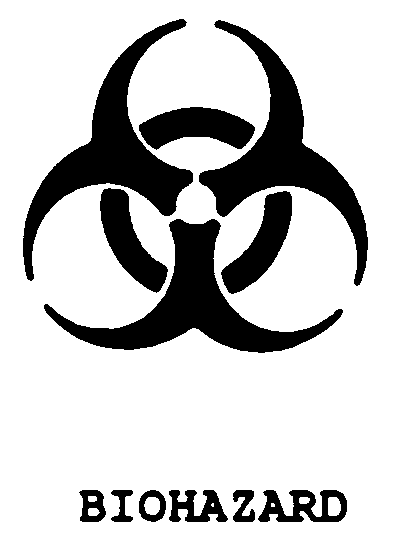
Recognize the symbol and the actual workplace label/color code.
Required labels use fluorescent orange/orange-red or a predominantly similar background with contrasting markings. Red bags/containers may substitute where permitted. Identify actual labeled waste/material containers, storage and contaminated equipment. Do not open a labeled container just to inspect its contents. Specialized laboratory entry signs are outside this core’s work authorization.
Basis: 29 CFR 1910.1030(d)(2)(xiii)–(xiv), (d)(4), (g)(1), (g)(2)(vii)(M). Reviewed October 21, 2026.
Lesson 8 of 10
Hepatitis B vaccination
Objective: Explain vaccine benefits, safety, administration and the employer’s offer arrangements.
Hepatitis B vaccine is safe and effective at preventing hepatitis B and its potential serious liver complications. It is given by injection as a series; the healthcare professional selects the appropriate product, number of doses and schedule. Completing the recommended series provides long-lasting protection for most people. The vaccine does not replace controls or prevent every bloodborne infection.
Possible reactions include soreness where injected, fever, headache or fatigue. A severe allergic reaction is very rare. Discuss prior severe allergic reactions and other individual questions with the vaccination provider; the supervisor does not decide medical suitability. Use the current CDC Hepatitis B Vaccine Information Statement and ask the healthcare professional about benefits and risks. For a severe reaction such as trouble breathing or face/throat swelling, call emergency services immediately.
For covered employees, vaccination is made available after the required vaccine education and within 10 working days of initial assignment, unless the applicable prior-completed-series, documented immunity or medical-contraindication exception is established through the appropriate confidential process. The employer does not require participation in prescreening as a prerequisite.
The vaccine and vaccination are offered free of charge at a reasonable time and place through the required licensed healthcare arrangement. This course does not adopt a delayed-offer exception for collateral first-aid duties.
An employee may decline. The employer uses the mandatory Appendix A declination statement, not a paraphrased quiz acknowledgment. If the employee later accepts while still covered, vaccination is made available then at no employee cost. Keep offers, decisions and medical evidence in the designated protected process, not the shared LMS record.
Basis: 29 CFR 1910.1030(f)(1)–(2), (g)(2)(vii)(I); CDC Hepatitis B VIS. Reviewed October 21, 2026.
Lesson 9 of 10
Exposure response and confidential medical follow-up
Objective: Respond promptly to relevant contact and use the actual reporting/referral route.
An exposure incident is specific eye, mouth, other mucous-membrane, non-intact-skin or piercing contact with blood/OPIM arising from duties. A needlestick or eye splash is a clear reason for immediate response. Do not wait for symptoms or decide that a healthy-looking source makes review unnecessary. Seek prompt assessment if the contact or route is uncertain.
- Stop the exposure safely. Wash affected skin with soap and water; flush affected mucous membranes with water immediately or as soon as feasible.
- Report immediately using the actual contact and backup route. Summon emergency help for urgent injury/illness as the plan directs.
- Obtain the immediately available confidential medical evaluation and follow-up. Do not delay care for a form, management approval or source test results.
The employer provides required evaluation and follow-up at no employee cost, at a reasonable time/place through the appropriate licensed healthcare professional. It includes documenting routes/circumstances, lawful source identification/testing arrangements, consent-based employee blood collection/testing, medically indicated prophylaxis under current recommendations, counseling and evaluation of reported illnesses. The professional manages clinical choices; this course prescribes no medicine, testing schedule or individual diagnosis.
Authorized staff securely provide the professional the regulation, relevant duties, routes/circumstances, lawfully available source results and relevant medical/vaccination records. Source consent, disclosure and employee consent are handled through that lawful process. Do not compel testing, circulate infection status or enter source names/results in a class or LMS record.
If you consent to baseline blood collection but not HIV testing at that time, the standard requires the sample to be preserved for at least 90 days. If you elect within 90 days of the exposure to have that baseline sample tested, testing is done as soon as feasible. Discuss these choices privately with the healthcare professional.
The employer obtains and provides the employee the limited healthcare professional’s written opinion within 15 days of the evaluation’s completion. Other clinical findings/diagnoses remain confidential. Follow the provider’s follow-up instructions and report access barriers promptly. A deidentified learning review can address equipment and work conditions later; it must not delay care.
Basis: 29 CFR 1910.1030(d)(2)(vi), (f)(1), (3)–(5), (g)(2)(vii)(J)–(L). Reviewed October 21, 2026.
Lesson 10 of 10
Questions, records, changes and workplace understanding
Objective: Recognize what completes the employer training arrangement and what stays confidential.
You must have an opportunity for interactive questions and answers with the person conducting training. The trainer must know the subject as it relates to the workplace. A recorded presentation, automated quiz or unmonitored email address alone does not establish that interaction. Before this knowledge component is assigned as employee training, the sponsor must arrange and test access; use the employer’s designated trainer access to see the configured details.
Explain back the actual task, plan access, controls, PPE, disposal/hygiene steps and response contacts. Practice relevant methods safely with clean materials and trainer guidance. Resolve misunderstandings before the assigned exposure task. This workplace check is an Academy/employer implementation tool; this standard does not prescribe the PIT operator-evaluation/certification model for every BBP trainee.
Training records include the session dates, contents or summary, trainer names and qualifications, and attendee names and job titles. Keep them for three years from training. A generic online result may support the record but cannot fill in missing employer instruction or interactive session information. Annual training is due within one year of the previous training; changed exposure tasks can require additional instruction sooner.
Required employee medical records are separate and confidential, with the employment-plus-30-year retention rule in accordance with 1910.1020 and the applicable access/transfer provisions. Vaccination decisions, diagnoses, test results and source identities do not belong in shared training notes or the general LMS export. Where the sharps injury log is required, protect identity and use the required device/work-area/circumstance information and applicable retention.
Report missing supplies, difficult container placement, poor PPE fit, rushed cleanup, unclear assignments and close calls. Ask what helped a task go well and what could undermine protection. The employer reviews the plan and improvements, including applicable safer-device/worker-input duties, rather than relying only on reminders to be careful.
Basis: 29 CFR 1910.1030(c)(1), (g)(2)(iv)–(viii), (h)(1)–(5). Reviewed October 21, 2026.
Sources reviewed October 21, 2026
- 29 CFR 1910.1030 — Bloodborne pathogens
- Mandatory Appendix A — Hepatitis B vaccine declination
- OSHA online-training interpretation, July 11, 2019
- OSHA post-exposure evaluation/follow-up interpretation, June 21, 2017
- CDC — Preventing hepatitis B
- CDC — Hepatitis B symptoms
- CDC — Hepatitis C basics
- CDC — About HIV
- CDC — Current Hepatitis B Vaccine Information Statement
- OSHA biohazard-symbol image used in the course

Regulations are the federal baseline; OSHA letters interpret specific circumstances. CDC supplies disease/vaccine education, not individual medical decisions. The clinician uses current applicable recommendations at the time of care. Image: OSHA’s black-and-white biohazard symbol, displayed as a learning reference; identify actual compliant labels at the workplace.
Employer/development sources read: SHP-005 Bloodborne Pathogens Exposure Control Plan v0.2 (October 18, 2026) and RAVS_Requirements (5).pdf (July 22, 2022). The plan’s national base and state-review status do not establish employee training, current client acceptance or completed state supplements. Historical contractor responses/approval results are not transferred to this course.