

About Todd
I’m Todd Jerome Jenkins.
I care about the people doing the work.
I’m an Army veteran, former union carpenter, safety professional, author, and independent researcher. I study how people experience work and how the systems and conditions around them shape safety.
I develop practical resources to help people put that understanding to use. The question I keep coming back to is what needs to be in place so people can do their work, be human, and come home safely.
A working perspective
Why this matters
People should be able to go to work and come home with their health, their abilities, and their life outside work protected.
The person behind the work
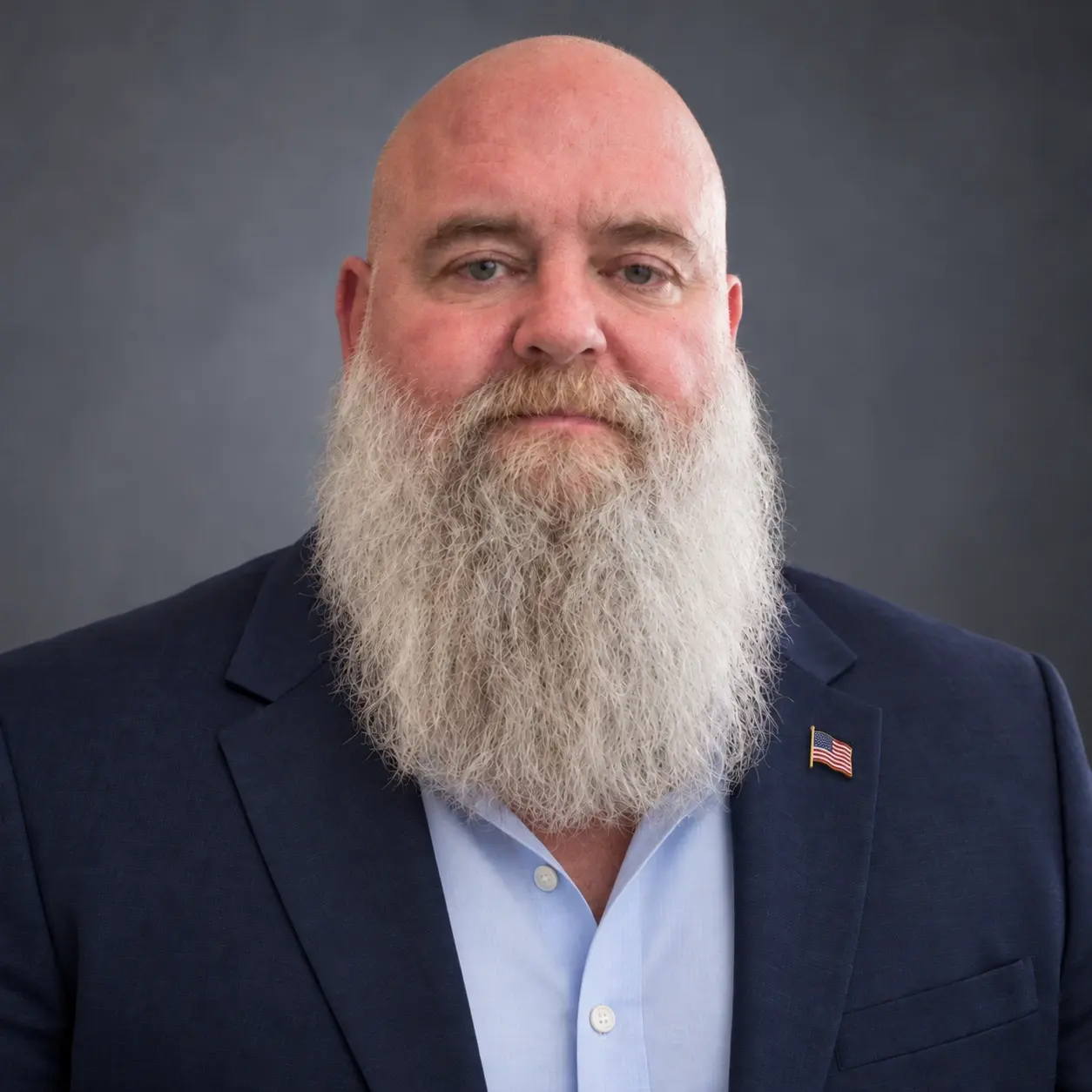
Portrait edited with AI.
The experience behind the questions
Todd Jerome Jenkins, M.S., CSP
Veteran. Carpenter. Safety professional. Lifelong learner.
I served in the United States Army, then worked my way from apprentice to journeyman carpenter, foreman, and superintendent. Construction gave me a practical education in planning, coordination, and the adjustments people make when the day doesn’t go as expected.
My work in occupational safety and health took me into managing safety systems across many workplaces. I hold a master’s degree in occupational safety and health and am a Certified Safety Professional.
I’ve seen how a workplace injury can change a person’s life and affect an entire family. Those experiences have stayed with me. They are why this work is personal.
I’m also a husband and a father of three daughters, living in South Carolina. Work matters to me, and so does the life people go home to.
Understand the conditions
Everybody already has a system.
Every company has ways of planning, making decisions, preparing people, and responding when something changes. The question is whether those arrangements give people what they need to do the work and stay protected.
I want to understand the conditions that help work go well, the gaps that leave people exposed, and what helps people recognize a problem and recover when things go wrong.
The work I want to keep doing
Why research stays
at the center.
I enjoy the work itself: reading, asking questions, examining evidence, writing, and developing something useful. I want to keep learning and contribute something the next person can build on.
The questions that interest me
My research interests include safety climate, working conditions, human and organizational performance, and how systems support safety and well-being.
A place to investigate them
Institute gives these questions and developing projects a home. The current safety-climate study explores how safety is experienced at work in America. Study participation is voluntary and separate from purchases.
Make the understanding useful
From understanding
to implementation.
You can read a standard or sit through a course and still be left asking, “How do I actually do this at my company?” That is the gap I want my work to help close.
I develop JHAs, toolbox talks, worksheets, training, books, and written programs with that question in mind. What does this mean for the work? Who needs to do something? What needs to be checked? The examples need to make sense to the person using them and the industry they work in.
When the work differs from the original plan, the resources should help people ask:
- 01
Notice the change
What is different between the expected work and the situation people are facing?
- 02
Listen to the crew
What can the people closest to the work help us understand?
- 03
Question the controls
What needs to be verified about whether the planned controls still fit the changed conditions?
- 04
Learn and revise
What should change in the plan, the system, or the next conversation?
Conceptual example only, not an incident account, field procedure, or substitute for task-specific safety requirements.
jSMS is $795 per year for one company, with automatic renewal, training included, plus applicable tax. Annual access includes all released site-hosted digital programs, resources, tools, instructor kits, company LMS editions and online courses, plus the private company workspace and protected NOSACQ-50 company comparisons when reporting requirements are met.
Explore Safety ManagementHow this work is sustained
Keep learning.
Keep asking questions.
My goal is to finish my doctorate and continue independent research. I offer paid resources to help fund that education, the services needed to conduct careful studies, and the development of practical materials.
This website brings those interests together. You can find something for today’s work, develop your understanding, explore a research question, or work toward a stronger written safety system.
Find something useful
Start with your work.
Tell the guide about your role and the work ahead. Find a practical starting point with resources you can use.
Help me get startedFour short questions. Free, with no email required.
Explore at your own pace
Resources and learning
Browse practical tools for the work ahead, or find training for the topic you want to understand.
Optional updates
Follow the continuing work.
Review newsletter and research update options and choose what you want to receive.
Choose email updates